


How Senior Athletes Train During the Off-Season: Stay Competition-Ready
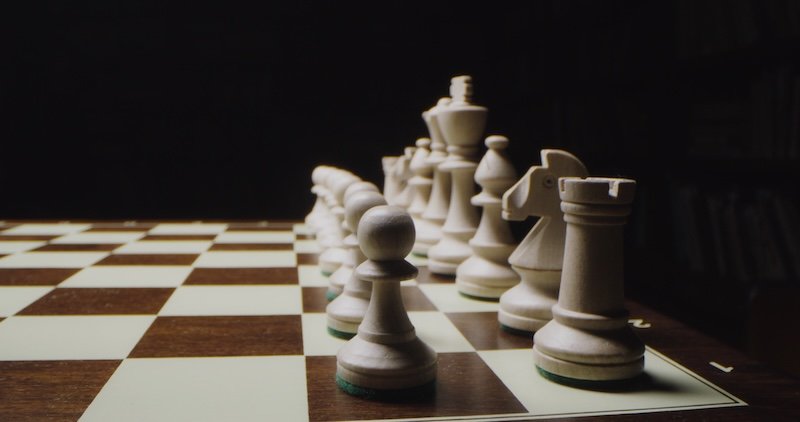
The excitement of competition may be over for another year. But that doesn’t mean it’s time to put athletic goals aside. For Idaho Senior Games participants, the months between competitions provide valuable opportunities to maintain fitness, develop new skills, and prepare for future events. In fact, what athletes do during the off-season can make a significant difference when it’s time to compete again.
At Idaho Senior Games, we encourage adults age 50 and older to embrace physical activity as an ongoing part of a healthy lifestyle. Whether you’re an experienced competitor or someone considering participating for the first time, maintaining a consistent fitness routine can help you stay active, motivated, and ready for your next challenge.
Why Off-Season Training Matters After 50
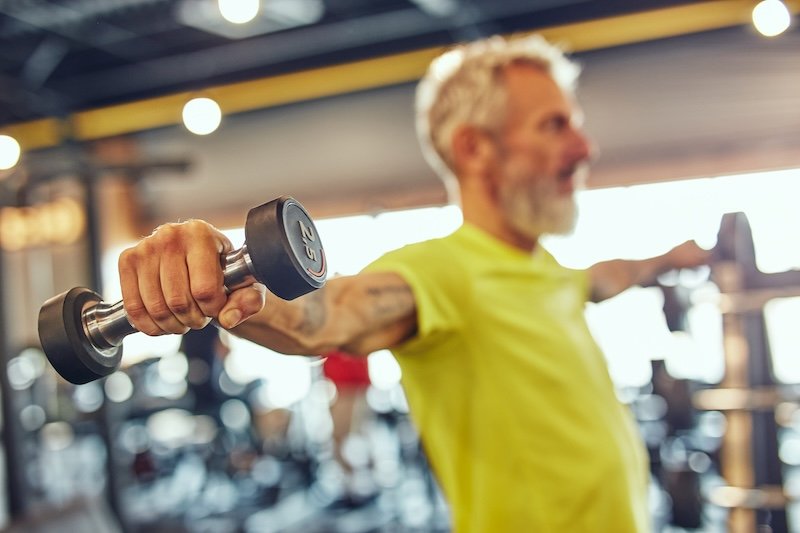
As we age, maintaining muscle strength, cardiovascular endurance, balance, and flexibility becomes increasingly important. Although regular competition provides motivation to stay active, the months between events offer opportunities to address weaknesses and establish sustainable fitness habits.
However, off-season training doesn’t necessarily mean maintaining the same intensity you followed while preparing for competition. Instead, it’s an opportunity to focus on overall conditioning, recovery, and activities that complement your preferred sport.
For example, a runner might incorporate resistance training to strengthen supporting muscles, while a pickleball player could focus on balance and mobility. Similarly, swimmers may benefit from activities that develop strength and stability outside the pool.
Build Strength to Support Athletic Performance

Muscle strength plays an important role in nearly every sport, from bowling and golf to track and field. Furthermore, maintaining muscle mass supports everyday activities, joint stability, and independence as we age.
Fortunately, strength training doesn’t always require expensive equipment or a gym membership. Depending on your fitness level and physical abilities, effective activities may include:
- Resistance bands: Provide adjustable resistance for upper- and lower-body exercises.
- Light weights: Help develop strength in muscles used during daily activities and sports.
- Chair exercises: Offer accessible options for individuals who need additional stability.
- Bodyweight movements: Modified squats, wall push-ups, and step-ups can support functional strength.
- Core exercises: Help develop stability and control during athletic movements.
For many older adults, strength training at least twice weekly is a useful goal, consistent with general physical activity guidelines. However, individual needs vary, so anyone beginning a new program should consider their health, experience, and any recommendations from a healthcare professional.
Maintain Cardiovascular Endurance

Cardiovascular endurance is important for more than distance running or swimming. Whether you’re competing in pickleball, cycling, basketball, or another Idaho Senior Games event, cardiovascular fitness helps support sustained activity and recovery between periods of exertion.
During the off-season, athletes can maintain endurance through activities that don’t necessarily duplicate their competition routines. Walking, stationary cycling, swimming, and low-impact aerobic exercise can provide cardiovascular benefits while offering variety.
Additionally, changing activities may help reduce repetitive strain associated with performing the same movements throughout the year. For example, a runner might substitute swimming or cycling for some workouts, allowing different muscle groups to contribute to conditioning.
The goal is consistency rather than exhausting yourself during every session. Gradually building activity levels can help make exercise more sustainable, especially for those returning after a period of inactivity.
Don’t Overlook Flexibility and Balance
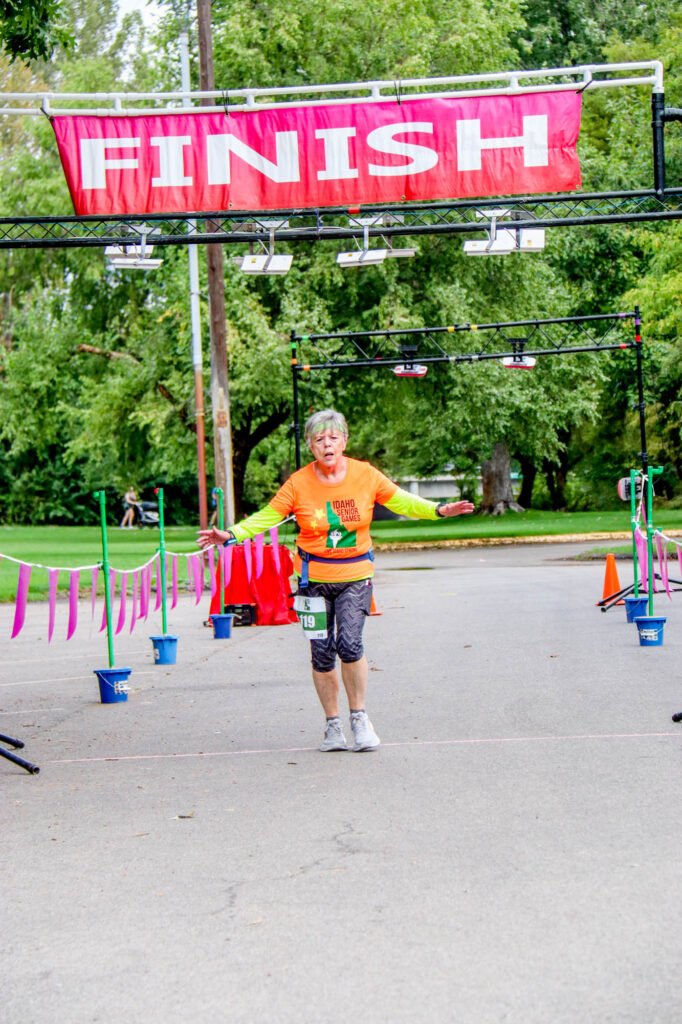
Strength and endurance receive considerable attention, but flexibility and balance deserve an equally important place in an off-season training plan. Good mobility supports comfortable movement, while balance training can help reduce fall risk and improve confidence during everyday activities.
Athletes may benefit from incorporating simple mobility and balance exercises into their regular routines. Depending on individual ability, options include:
- Gentle stretching after physical activity.
- Yoga or modified yoga classes.
- Tai chi for balance and controlled movement.
- Single-leg balance exercises with sturdy support nearby.
- Range-of-motion exercises for shoulders, hips, and ankles.
Because every sport places different demands on the body, athletes should focus on movements that support their individual needs. Moreover, exercises should be performed safely, without forcing uncomfortable positions or pushing through pain.
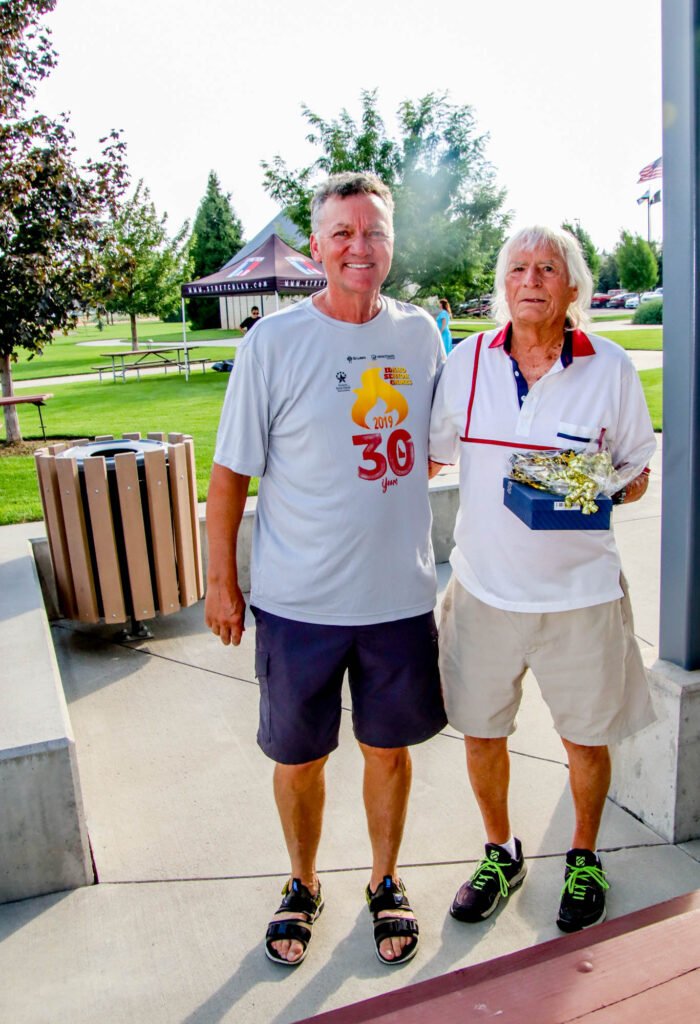
Adjust Your Routine for Idaho’s Winter Weather
As temperatures drop across Boise and the rest of the Treasure Valley, outdoor training can become more challenging. Shorter days, icy sidewalks, and unpredictable weather may interfere with established routines, particularly for athletes who prefer outdoor activities. However, winter also provides opportunities to explore indoor fitness options. Community recreation centers, indoor pools, fitness facilities, and walking areas can help athletes remain active when outdoor conditions aren’t ideal.
For those who prefer exercising at home, resistance bands, stationary equipment, and guided fitness programs offer additional flexibility. The important thing is to establish a realistic routine that doesn’t depend entirely on favorable weather.
Keep Motivation Strong Between Competitions
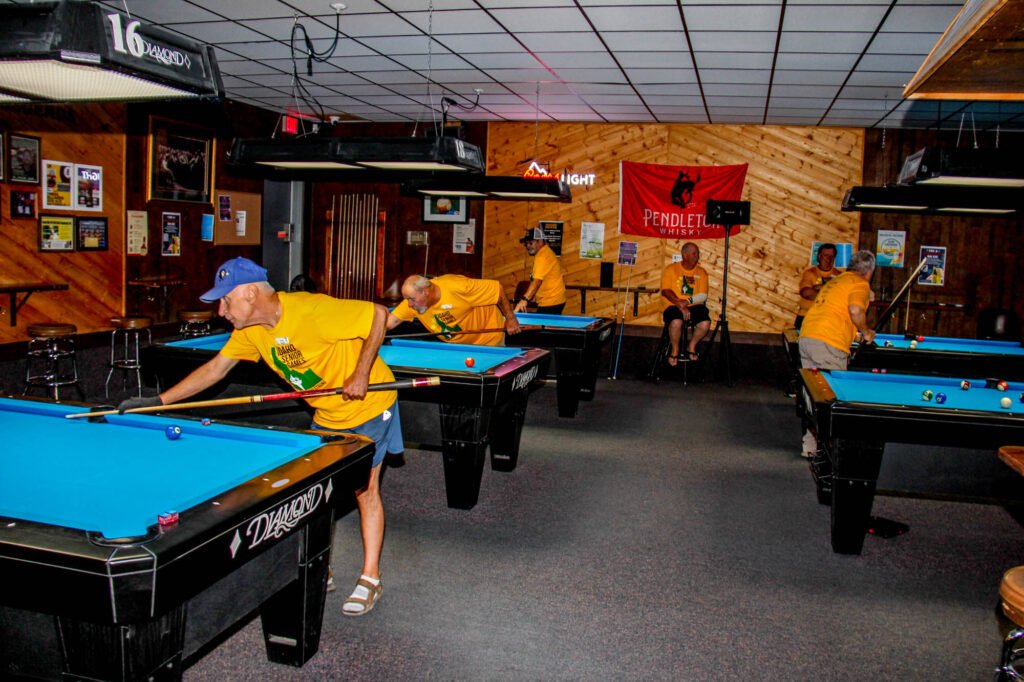
Without an upcoming event on the calendar, even experienced athletes may find it difficult to maintain motivation. Consequently, setting smaller goals throughout the off-season can help provide direction and a sense of accomplishment. Rather than focusing exclusively on medals or finishing times, consider goals that encourage steady progress. These might include:
- Completing a certain number of workouts each week.
- Improving flexibility or balance.
- Increasing walking distance gradually.
- Learning a new sport or refining a specific skill.
- Exercising regularly with a friend or training partner.
Tracking progress can also help athletes recognize improvements that might otherwise go unnoticed. Additionally, training with others provides accountability and reinforces the social connections that make participating in sports so rewarding.
Recovery Is Part of Staying Competition-Ready
One important difference between effective training and overtraining is allowing enough time for recovery. Rest supports the body’s ability to adapt to physical activity, while adequate sleep, hydration, and nutrition contribute to overall wellness. For older athletes, recovery needs may vary depending on training intensity, medical considerations, and previous injuries. Therefore, listening to your body and adjusting activities when necessary is an important part of maintaining a sustainable routine.
If persistent pain, unusual fatigue, or other concerning symptoms develop, seeking guidance from an appropriate healthcare professional is preferable to pushing through discomfort.
Although the 2026 Idaho Senior Games have concluded, the opportunity to improve your health and fitness continues throughout the year. Every walk, strength-training session, and mobility exercise can contribute to maintaining the abilities that make participating in sports enjoyable.
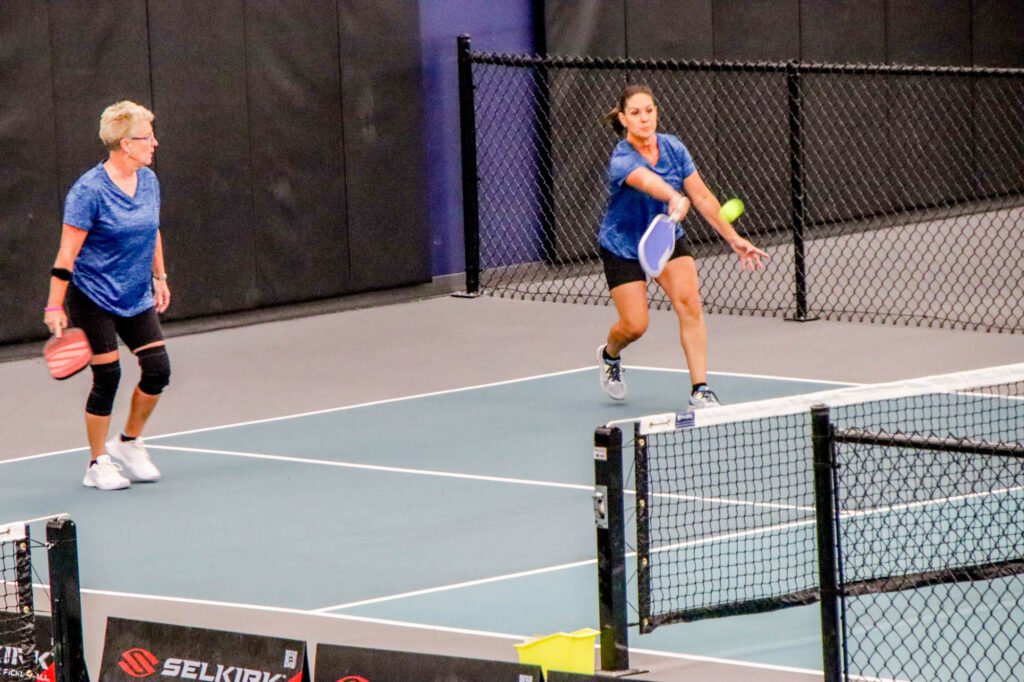
Your Next Idaho Senior Games Starts Now
At Idaho Senior Games, we believe athletic achievement isn’t limited by age, and participation can take many forms. Whether you’re preparing to return to your favorite event or considering entering your first competition, the off-season is an excellent time to build healthy habits and discover what you’re capable of accomplishing.
About Idaho Senior Games in Boise, Idaho
The Idaho Senior Games provide adults age 50 and older with opportunities to participate in competitive sports while promoting physical fitness, healthy lifestyles, and active aging. As a member organization of the National Senior Games Association, Idaho Senior Games offers athletes the chance to compete, connect with others, challenge themselves, and, during qualifying years, pursue qualification for the National Senior Games.