Still Chasing the Puck: Ice Hockey at the Idaho Senior Games
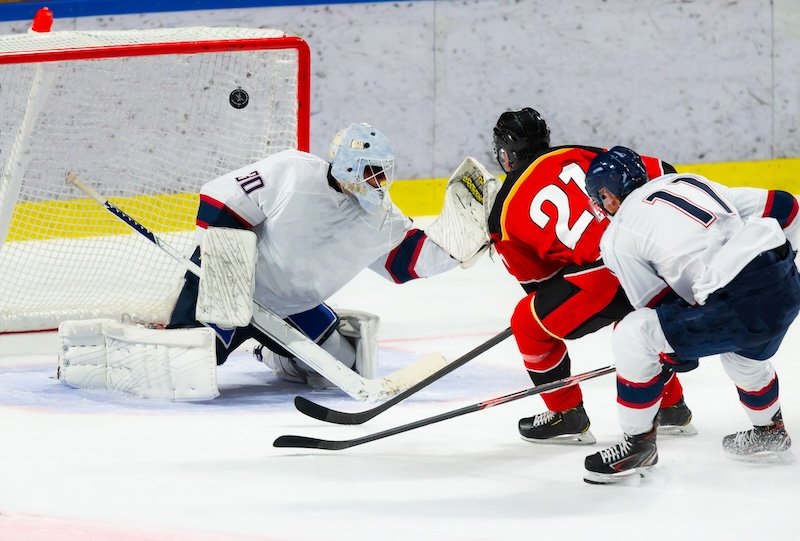
The sound of skates cutting across fresh ice has a way of bringing everything back. The speed. The concentration. The communication between teammates. The anticipation as the puck moves across the rink and everyone reacts almost instinctively.
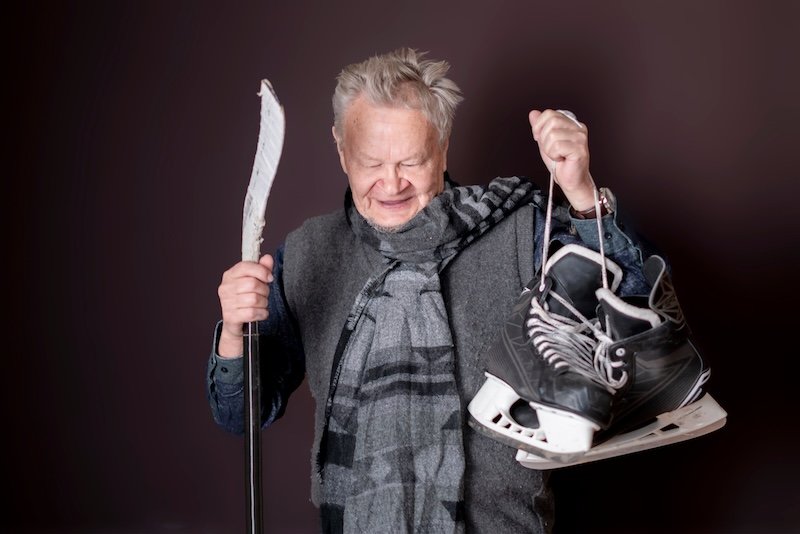
For hockey players, reaching the age of 50 does not necessarily mean hanging up the skates. In fact, ice hockey offers something particularly well suited to the spirit of the Idaho Senior Games: an opportunity to continue competing, stay active, reconnect with a sport you love, and discover that athletic goals do not come with an expiration date.
Ice hockey also stands apart from many individual Senior Games events because nobody takes the ice alone. Every shift depends on teammates working together, which makes the sport as much about camaraderie as competition.
Hockey Skills Can Last a Lifetime
Hockey demands an unusual combination of abilities. Players skate, change direction, control the puck, watch developing plays, communicate with teammates, and make quick decisions—often within a matter of seconds.Fortunately, experience matters.
A player may not skate exactly as fast at 60 as at 25, but veteran hockey players often bring something else to the rink: years of understanding where a play is heading before it gets there. Positioning, passing, anticipation, puck control, and teamwork can remain tremendous assets long after youthful speed stops defining someone’s game.
Hockey is an excellent example of how athletic competition changes rather than simply disappears with age.
More Than a Workout Spend a few minutes watching hockey and it becomes obvious that players rarely stand still. Skating keeps the legs working while maintaining balance requires constant engagement throughout the body. Meanwhile, the stop-and-start nature of the game challenges players differently from activities performed at one continuous pace.
However, physical activity represents only part of hockey’s appeal.
Players must remain mentally engaged throughout the game. Where are the other players? Who has the puck? Where is the open ice? Should you pass, shoot, defend, or reposition? The game requires constant awareness and rapid decision-making.
For athletes who enjoy exercise but struggle to feel motivated by repetitive workouts, sports can provide a different incentive. Instead of exercising simply to exercise, players stay active because they want to participate in something they genuinely enjoy.
The Locker Room Matters, Too Ask longtime hockey players what they miss after stepping away from the sport, and the answer may have as much to do with teammates as the game itself.
Team sports create relationships through shared experiences. Players celebrate good games, laugh about mistakes, encourage each other after difficult shifts, and develop the kind of camaraderie that comes from working toward the same goal. Social connections matter at every age.
The Idaho Senior Games bring together athletes who understand that competition and friendship can coexist. Participants can take their events seriously while still appreciating the opportunity to meet other active adults, reconnect with familiar faces, and enjoy being part of an athletic community.
Hockey fits naturally into a teamwork environment because that has always formed the foundation of the sport.
Thinking About Getting Back on the Ice Someone who played hockey years ago may look at a Senior Games competition and wonder whether too much time has passed to return. However, getting involved does not have to begin with jumping immediately into a competitive game.
Returning players can gradually rebuild comfort and conditioning. Depending on their experience and current activity level, that process might include:
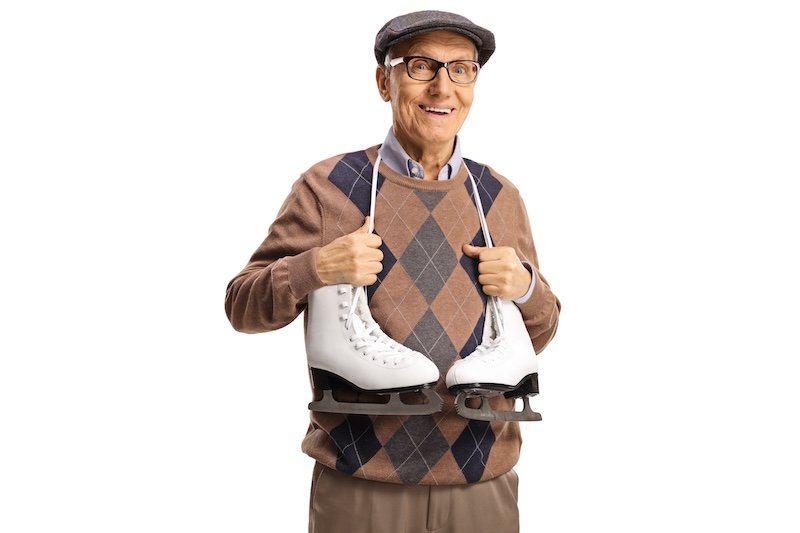
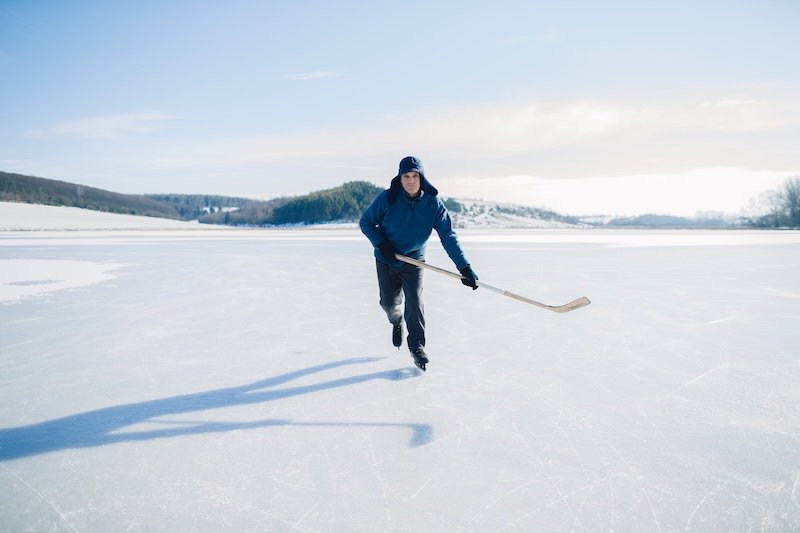
Getting comfortable on skates again through recreational skating
Working gradually on conditioning and endurance
Practicing stops, turns, puck handling, and other familiar skills
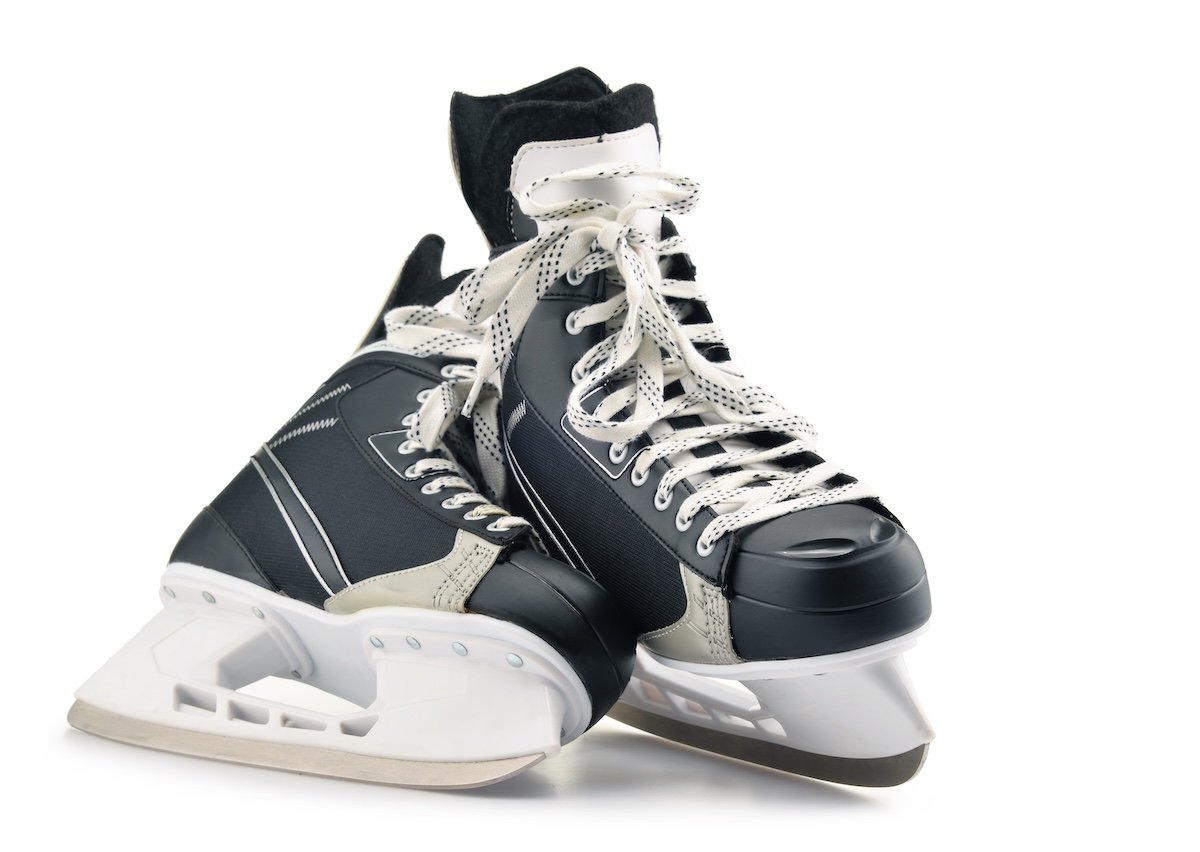
Checking older equipment for fit, condition, and appropriate protection
Joining recreational or age-appropriate hockey opportunities
Giving themselves time to regain confidence on the ice
Anyone returning to vigorous physical activity after a long break should also consider whether a conversation with a healthcare professional makes sense based on individual health and circumstances. The important part involves approaching a comeback realistically. You do not need to become the player you were decades ago. You can become the player you are now.
Newer Players Can Find Their Place, Too The Senior Games philosophy extends beyond athletes who have spent their entire lives competing. Adults discover new sports and recreational activities at every stage of life.
Ice hockey obviously requires some specialized skills, particularly skating, so someone completely new to the sport will need instruction and practice before joining competitive play. Still, age alone should not prevent an interested adult from exploring whether hockey might become a new passion.
Local skating programs, lessons, recreational leagues, and practice opportunities can provide a place to start. Learning alongside other adults may also make the experience less intimidating than someone expects.
After all, the goal does not have to involve becoming an elite hockey player. Learning something new, staying active, and enjoying progress provide accomplishments of their own.
Competition Looks Different After 50 Senior athletes often bring a valuable perspective to competition. Winning still matters—nobody puts on skates hoping to lose—but the experience surrounding the competition can matter just as much.
Simply remaining capable of competing becomes an accomplishment. So does returning after years away, recovering confidence, improving from one season to the next, or showing family members that athletic participation can continue throughout life.
That does not make Senior Games hockey less competitive. Instead, it adds another dimension to what competition means.
A scoreboard can tell you who won a particular game. It cannot measure the determination required to keep playing, the friendships formed along the way, or the satisfaction of knowing you are still doing something that once seemed destined to belong only to your younger years. You still love the game.
If the thought of stepping onto the ice, hearing the puck hit your stick, and sharing another game with teammates still gets your attention, age does not have to send you permanently to the stands.There may still be plenty of hockey left in you.
About the Idaho Senior Games in Boise, Idaho
The Idaho Senior Games have been promoting health, fitness, recreation, and friendly competition for adults age 50 and older since 1989. The Games welcome athletes of all fitness levels and abilities to participate in a wide variety of individual and team sports while encouraging active lifestyles and lifelong participation in athletics. More than 800 athletes participated in over 20 events in 2025. As an associate member of the National Senior Games Association, the Idaho Senior Games also provide qualifying athletes with opportunities to advance to the biennial National Senior Games.